Biodegradable Waste Collection
Did you know that every year more than 120 kg of kitchen bio-waste per person is generated in Bratislava? If we collect this type of waste separately, it can be processed and returned to the soil as valuable compost.
The Waste Act requires the Capital City to ensure the sorting of bio-waste by 2023 at the latest. We started in Lamač, in 2022 we are implementing it in other city districts, the last ones will be connected at the beginning of 2023.
The aim of the measure is to reduce, ideally to eliminate, kitchen bio-waste from mixed municipal waste.
- With landfilling practised on 80% of the territory of Slovakia, bio-waste is the biggest producer of greenhouse gases and polluter of surface and groundwaters, soil and air.
- Residents of approximately 90 households in a block of flats could thus sort enough kitchen bio-waste in a year to enrich one hectare of land.
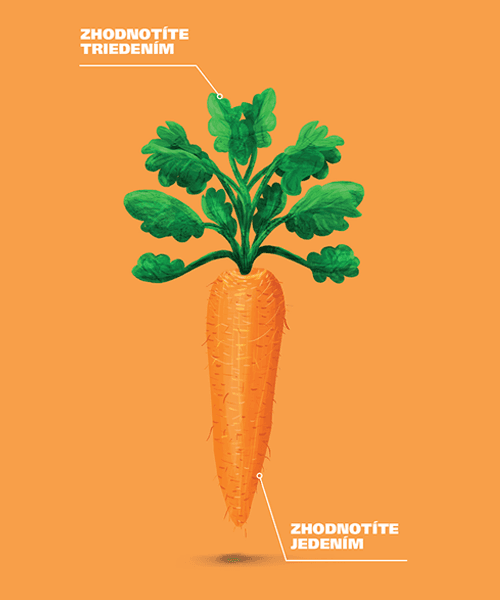
- Such a green area can grow approximately 40-70 tonnes of carrots or 30 tonnes of melons.
- By sorting kitchen bio-waste, we reduce the volume of artificial fertilisers on our fields and support the development of a circular economy.
Join the collection of kitchen bio-waste and help protect our environment by reducing the volume of mixed waste in our capital city.
Results so far
We have already introduced the collection of kitchen biowaste in the Lamač, Záhorská Bystrica, Karlova Ves and Dúbravka districts. The average participation rate is 85% for family houses and 95% for apartment buildings. From the beginning of the project until mid-April, 150 tons of kitchen waste was collected.
Residents have the opportunity to experience that the amount of their mixed municipal waste is decreasing due to the sorting of kitchen waste.
Information on the management of kitchen biodegradable waste
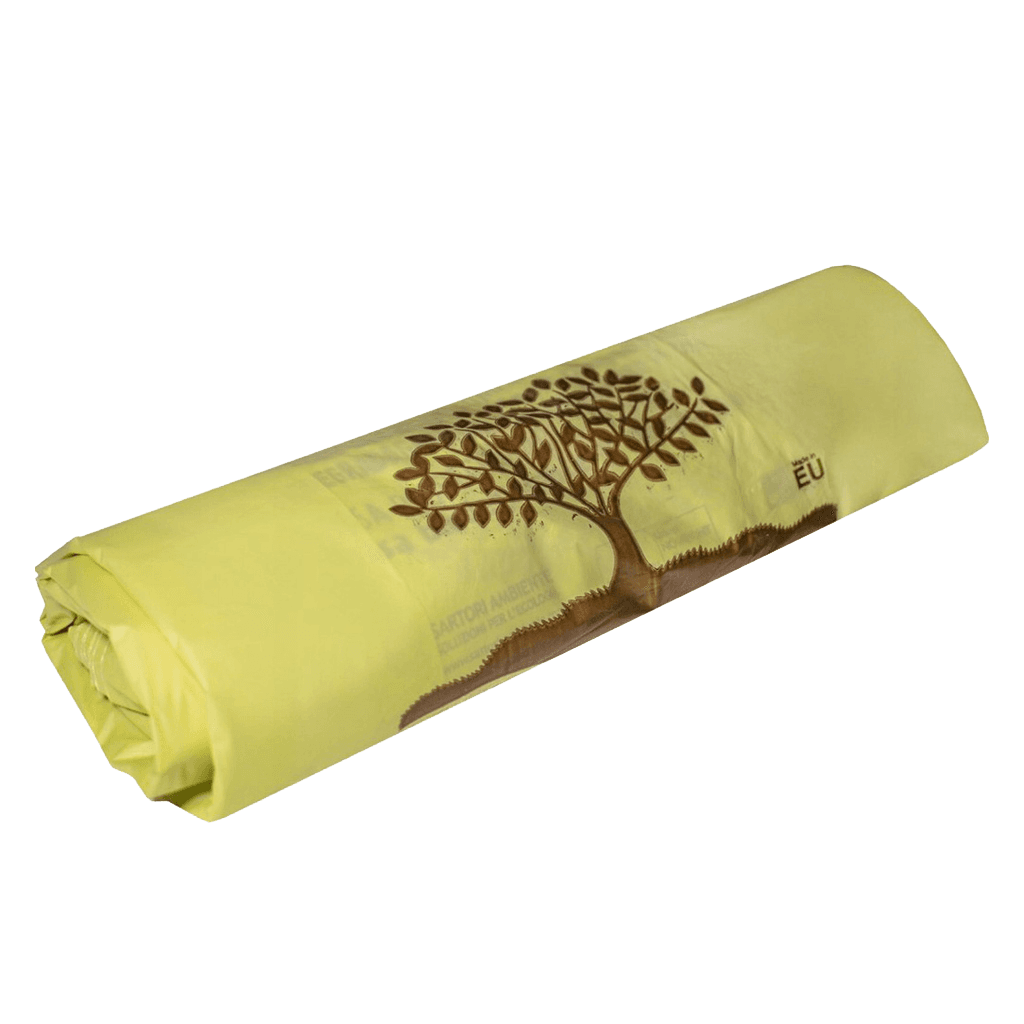
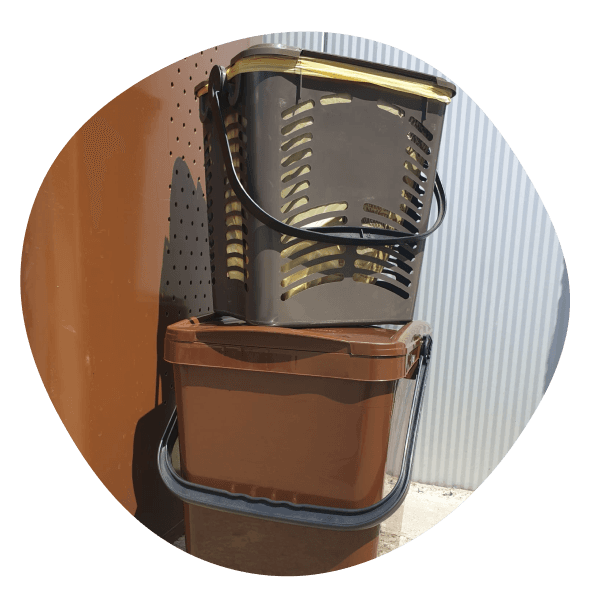
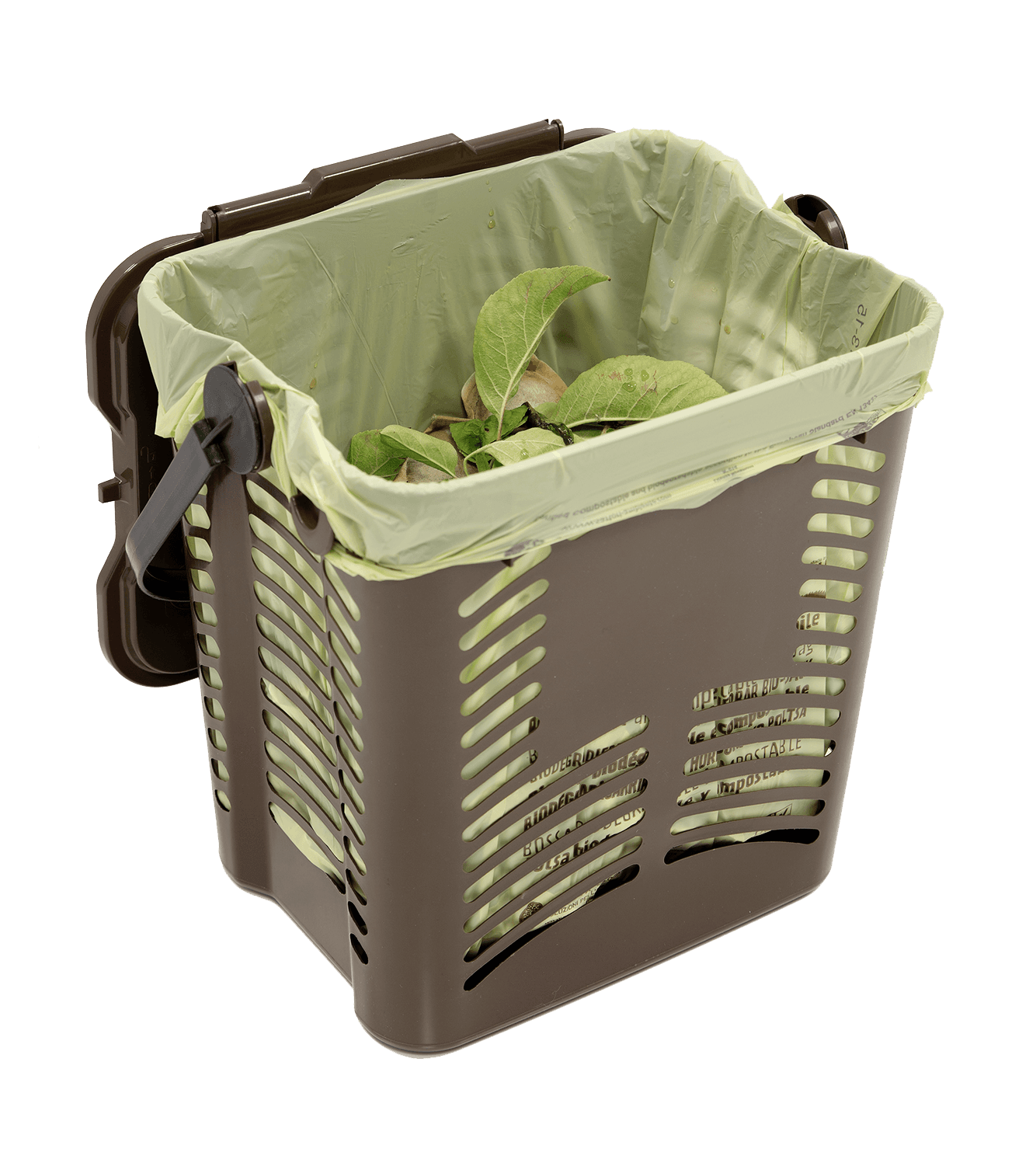
For households in residential blocks Residents of such blocks will sort kitchen bio-waste into a compostable bag sited in a 10-litre kitchen bin. Once the bag is full, it will be sealed and taken to a 120 l or 240 l brown collection container (depending on the number of residents in the block of flats) marked with a sticker "kitchen biodegradable waste", which will be placed near to your block of flats at the usual location of the container stand.
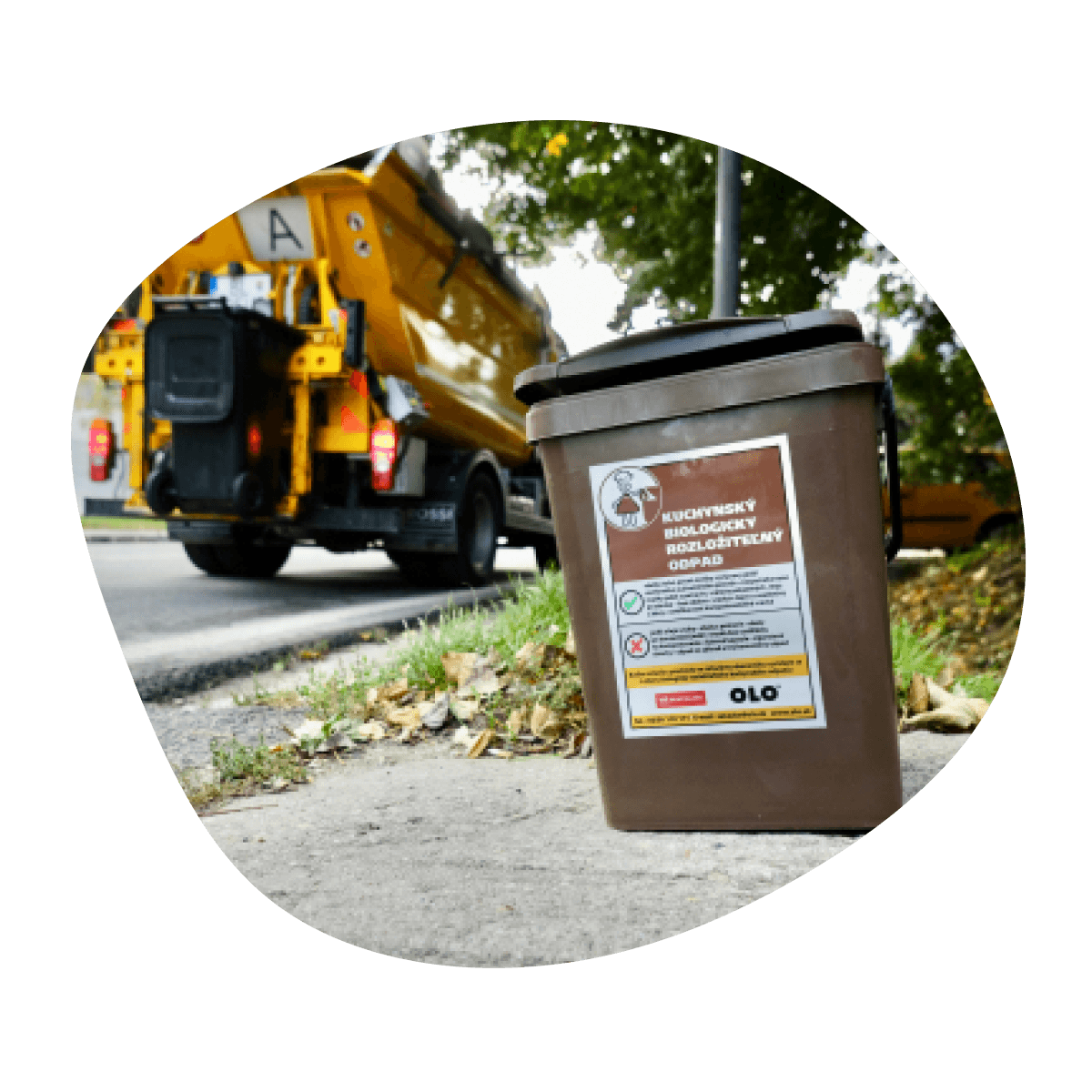
For households in family houses Residents of family houses will sort kitchen bio-waste into a compostable bag sited in a 10-litre kitchen bin. When the bag is full, they will seal it and place it in a 20-litre brown collection container labelled 'kitchen biodegradable waste'. This collection container will be located at the usual mixed waste collection point by 7:00 a.m. on the day of collection.
What does and does not belong in compostable bags for kitchen bio-waste?
Warning: Compostable bags must not be stored in humid and warm environments, under extreme conditions and in direct sunlight. They may degrade or decompose.
After filling the kitchen basket, close the compostable bag that is in the 10 l kitchen basket and take it out to the brown collection container marked with the label KITCHEN BIODEGRADABLE WASTE.
Information on the collection of household kitchen waste
- The collection of biodegradable kitchen waste will be distributed as follows from 2022: From March to November, the collection will be twice a week. From December to February the collection will be once a week.
- On the day of collection, 20 litre collection containers from family houses should be placed at the usual collection point for mixed waste by 7:00 a.m.
- Only use the collection bins delivered by us and the certified compostable bags you have been given for 12 months in a quantity of 150 (2 to 3 bags per week).
- The cost of collecting kitchen bio-waste from residential blocks and family houses forms part of the local charge for municipal waste and minor construction waste.
How to combine kitchen bio-waste collection and home composting?
The two methods effectively complement each other to ensure that as much food waste as possible is recycled. Fruit and vegetable waste can be composted at home, as can flowers, wood chips, sawdust, cut grass, small pieces of branches, leaves and weeds.
You can put meat, fish and dairy products along with any cooked food in your kitchen waste collection, but you should not compost them at home. An ordinary home composter sited in the garden cannot fully process them.